Free shipping on orders above ₹499  ·  Not sure which product? Take the quiz →
The Evidence

Every batch of TumGard is tested for flavonoid content.

Not just once. Not just claimed.

This page contains the HPLC quantification data, the human trials behind our ingredients, the flavonoid research, our pilot study, and the batch certifications. In that order.

Flavonoid Quantification

Every batch tested for specific flavonoid compounds
at a defined ratio.

HPLC — High-Performance Liquid Chromatography — identifies and quantifies individual compounds. The table below shows which flavonoids are present in TumGard, from which ingredient, and what mechanism each is linked to in peer-reviewed literature.

Compound Source Ingredient HPLC Status Documented Mechanism Key Citation
Glabridin / Liquiritin Mulethi (Licorice root) Confirmed Urease inhibition · EGFR/ERK mucosal repair · H. pylori anti-adhesion Ye YN et al., J Ethnopharmacol, 2023
Thymoquinone Kalonji (Nigella sativa) Confirmed H. pylori eradication · urease inhibition · anti-inflammatory Salem EM et al., PMC, 2010
Luteolin / Apigenin Black Cumin Confirmed Anti-inflammatory · mucosal protection · prostaglandin E2 stimulation Gutierrez-Grijalva et al., PMC, 2021
Eugenol / Kaempferol Clove (Syzygium aromaticum) Confirmed Antibacterial activity · antioxidant · membrane integrity disruption Cushnie & Lamb, Int J Antimicrob Agents, 2005
Quercetin / Kaempferol Honey (Raw) Confirmed H. pylori bactericidal activity · mucosal coating · anti-adhesion O'Mahony R et al., World J Gastroenterol, 2005
How Flavonoids Work

Four mechanisms. Two outcomes.

All four mechanisms map to the same two things TumGard is designed to do — keep bad bacteria under control, and create the environment for stomach lining recovery.

Keep bad bacteria under control
Mechanism 1
Urease Inhibition
Illustration
Split panel. Left: H. pylori surrounded by ammonia cloud (urease active). Right: flavonoid molecules blocking urease, stomach acid reaching bacteria directly.

H. pylori's primary survival strategy is the urease enzyme. Urease converts urea into ammonia, neutralising stomach acid around the bacteria — creating a protected pocket where it can survive and multiply.

Specific flavonoids — particularly quercetin, myricetin, and catechin — inhibit urease activity. When urease is inhibited, H. pylori loses its ability to neutralise its local environment. Stomach acid can reach the bacteria directly. Its ability to colonise and persist is significantly compromised.

Xiao ZP et al. (2006). Urease-inhibitory activities of myricetin derivatives. European Journal of Medicinal Chemistry. PMC-indexed. · Gutierrez-Grijalva EP et al. (2021). Flavonoids and anti-H. pylori effects. PMC.
Mechanism 2
Anti-Adhesion Activity
Illustration
Cross-section of stomach wall. Left: H. pylori anchored to epithelial cells. Right: flavonoid molecules coating the surface, H. pylori floating detached.

For H. pylori to cause damage, it first needs to attach to the stomach lining. It uses specific surface proteins to anchor itself to gastric epithelial cells — this adhesion is what allows it to persist and cause progressive mucosal damage.

Certain flavonoids — including licorice-derived compounds — interfere with H. pylori's ability to adhere to gastric epithelial cells. Without adhesion, H. pylori cannot embed itself in the mucosal layer and becomes more susceptible to the stomach's natural defences.

O'Mahony R et al. (2005). Bactericidal and anti-adhesive properties of culinary and medicinal plants against Helicobacter pylori. World Journal of Gastroenterology. PMC-indexed.
Create the environment for stomach lining recovery
Mechanism 3
Mucosal Protection & Repair
Illustration
Two-stage cross-section. Top: thin eroded mucus layer. Bottom: thick restored mucus layer, flavonoid molecules activating repair signals.

This is where flavonoids separate themselves from antibiotics. Antibiotics can eliminate H. pylori. What they cannot do is address the stomach lining damage the bacteria caused during its time in the stomach.

Flavonoids — particularly licorice-derived compounds like glabridin — stimulate prostaglandin E2 production, support mucus-secreting cells, reduce inflammatory cytokines, and activate the EGFR/ERK pathway that promotes repair of stomach epithelial cells. Gastric mucus content increased by up to 73% in studies.

Ye YN et al. (2023). Licorice-derived compounds promote mucosal repair through EGFR/ERK signaling. Journal of Ethnopharmacology. PMC-indexed.
Mechanism 4
Bacterial Cell Membrane Disruption
Illustration
Close-up of a single H. pylori bacterium. Left: intact membrane. Right: flavonoid molecules embedded in the membrane, causing visible disruption.

In addition to urease inhibition and anti-adhesion activity, flavonoids have been shown to alter the cell membrane permeability of H. pylori. This affects the bacteria's ability to maintain internal homeostasis — weakening it and increasing susceptibility to the stomach's acid environment and other antimicrobial mechanisms.

Cushnie TP, Lamb AJ (2005). Antimicrobial activity of flavonoids. International Journal of Antimicrobial Agents. PMC-indexed.
Our Results

112 TumGard users. 30 days. Self-reported.

This is a pilot study — not a clinical trial. No control group, no blinding. We asked 112 real customers to track their symptoms over 30 days and report what changed. We are presenting it as exactly what it is.
67%
Less heaviness
66%
Less burping
57%
Less heartburn

4.4 / 5 across 702 verified reviews.

Confirmed By Human Trials

The ingredients inside TumGard have been studied across the world.

These are not animal studies or in-vitro data. The trials below were conducted on human subjects using the same ingredients in TumGard's formulation.

Ingredient Trial Design Finding Citation
Kalonji RCT · 88 patients · 2g/day × 4 weeks 66.7% H. pylori eradication — statistically comparable to standard triple antibiotic therapy Salem EM et al., Saudi J Gastroenterol, 2010 · PMC
Kalonji + Honey Randomised double-blind RCT · 2 arms 57.1% H. pylori negative after intervention. Significantly lower infection rates vs placebo Doi et al., ScienceDirect · PMC
Mulethi (DGL) Randomised double-blind placebo-controlled · GutGard extract 56% H. pylori negative by day 60 vs 4% in placebo group Randomised controlled study · GutGard clinical data
Mulethi (Flavonoids) In vivo + human cell studies · EGFR/ERK pathway Licorice flavonoids activated gastric mucus cell regeneration. Gastric mucus content increased up to 73% Ye YN et al., J Ethnopharmacol, 2023 · ScienceDirect
Honey Double-blind RCT · H. pylori positive patients Significantly lower H. pylori infection rates vs placebo in honey-based Nigella sativa formulation ScienceDirect · PMC
Flavonoids (general) EPIC study — largest nutrition cohort · 500,000+ participants Higher flavonoid intake associated with 18–24% lower cardiovascular disease risk. Lancet Planetary Health. 133 RCTs in meta-analysis Lancet Planetary Health · EPIC cohort

MADE RIGHT

Independently tested. Every batch.

Doctors Analytical Lab, Thane — NABL certified. Not self-declared.
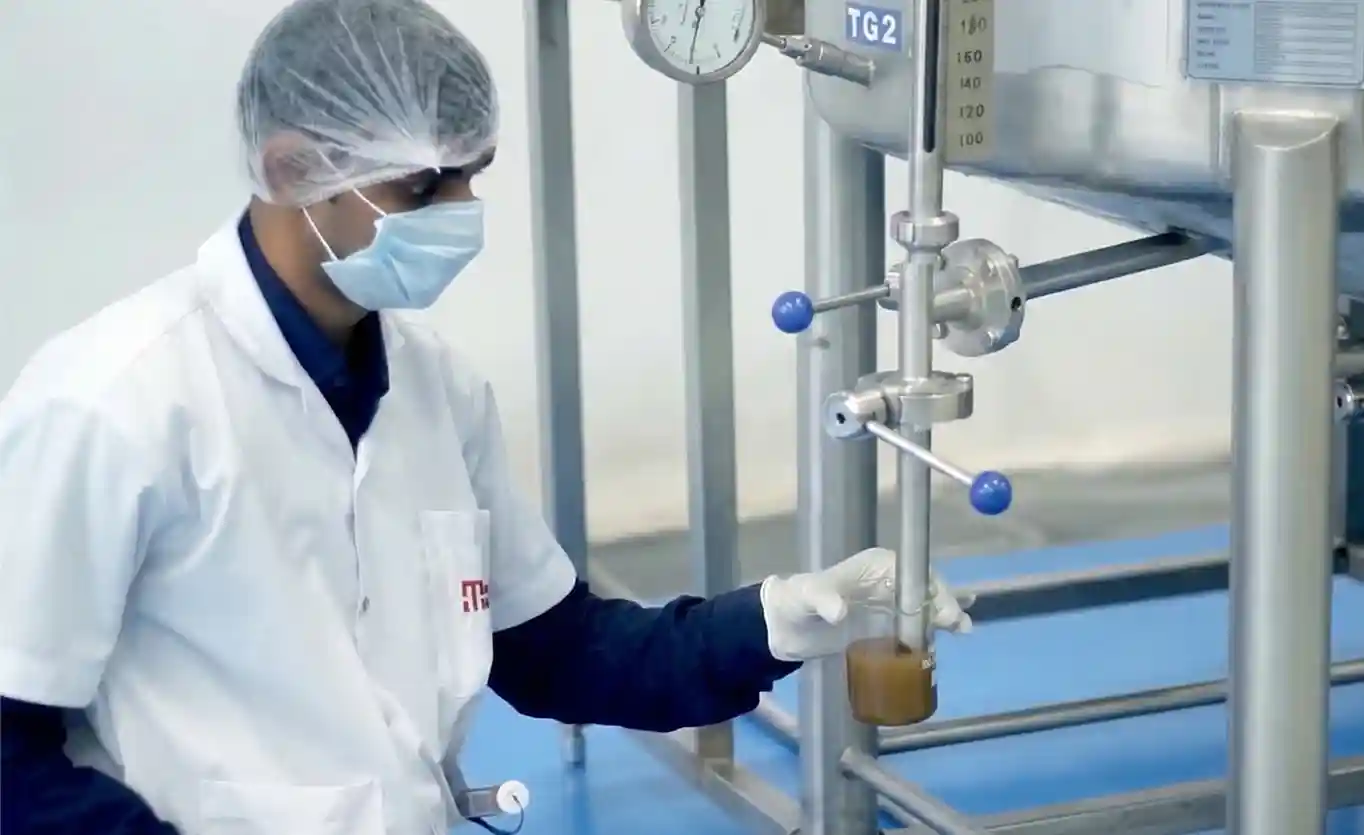
Production Facility
Manufacturing facility — production line interior
FSSAI Licensed
License no. 13220010000104. Regulated by the Food Safety and Standards Authority of India.
View License →
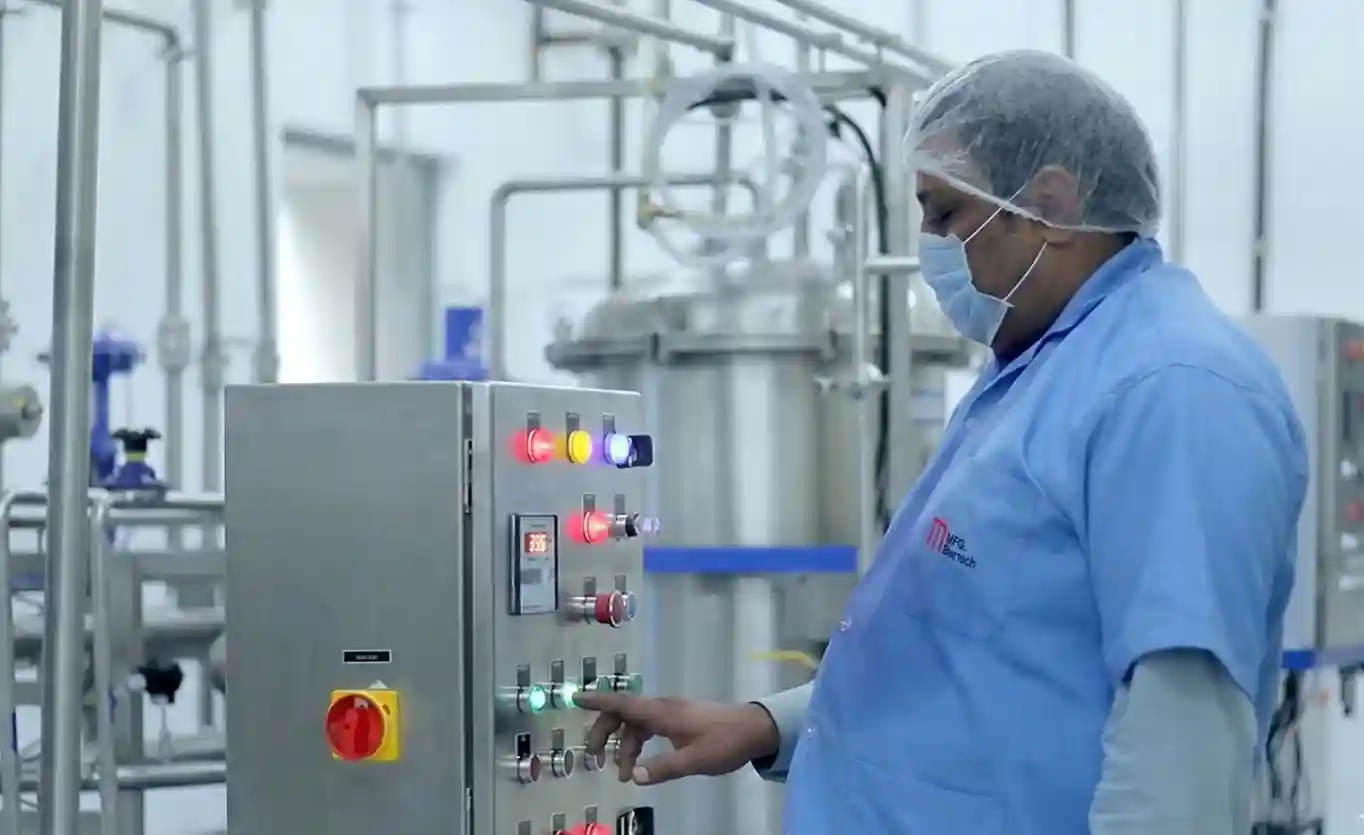
Lab Testing
Preservative analysis — Doctors Analytical Lab, Thane
Preservative Free
Every batch tested and certified free of artificial preservatives at Doctors Analytical Lab, Thane — NABL certified.
View Report →
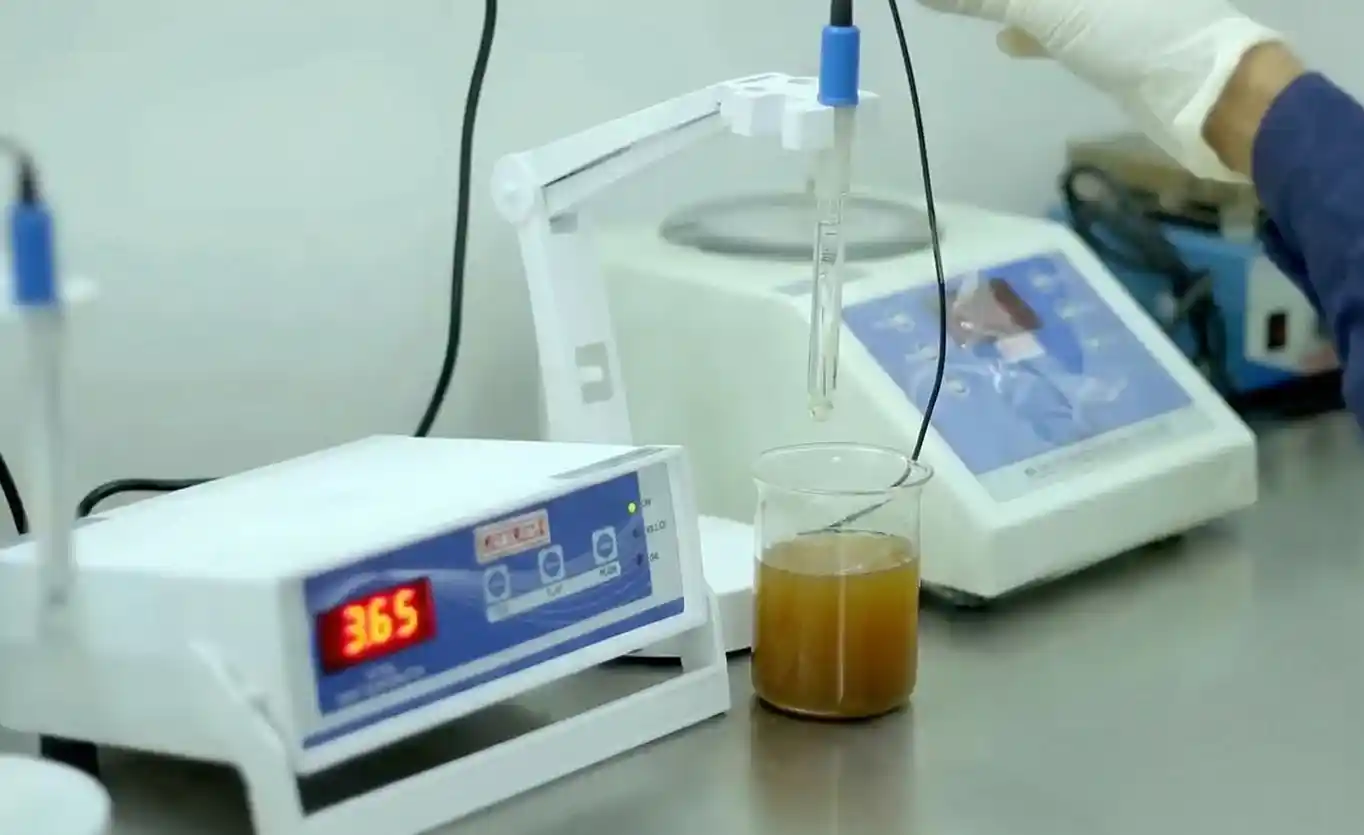
Chemical Testing
Heavy metal analysis — lead, arsenic, cadmium, mercury, chromium
Heavy Metal Free
Tested for lead, arsenic, cadmium, mercury and chromium. All within safe limits. Every batch, not just once.
View Report →
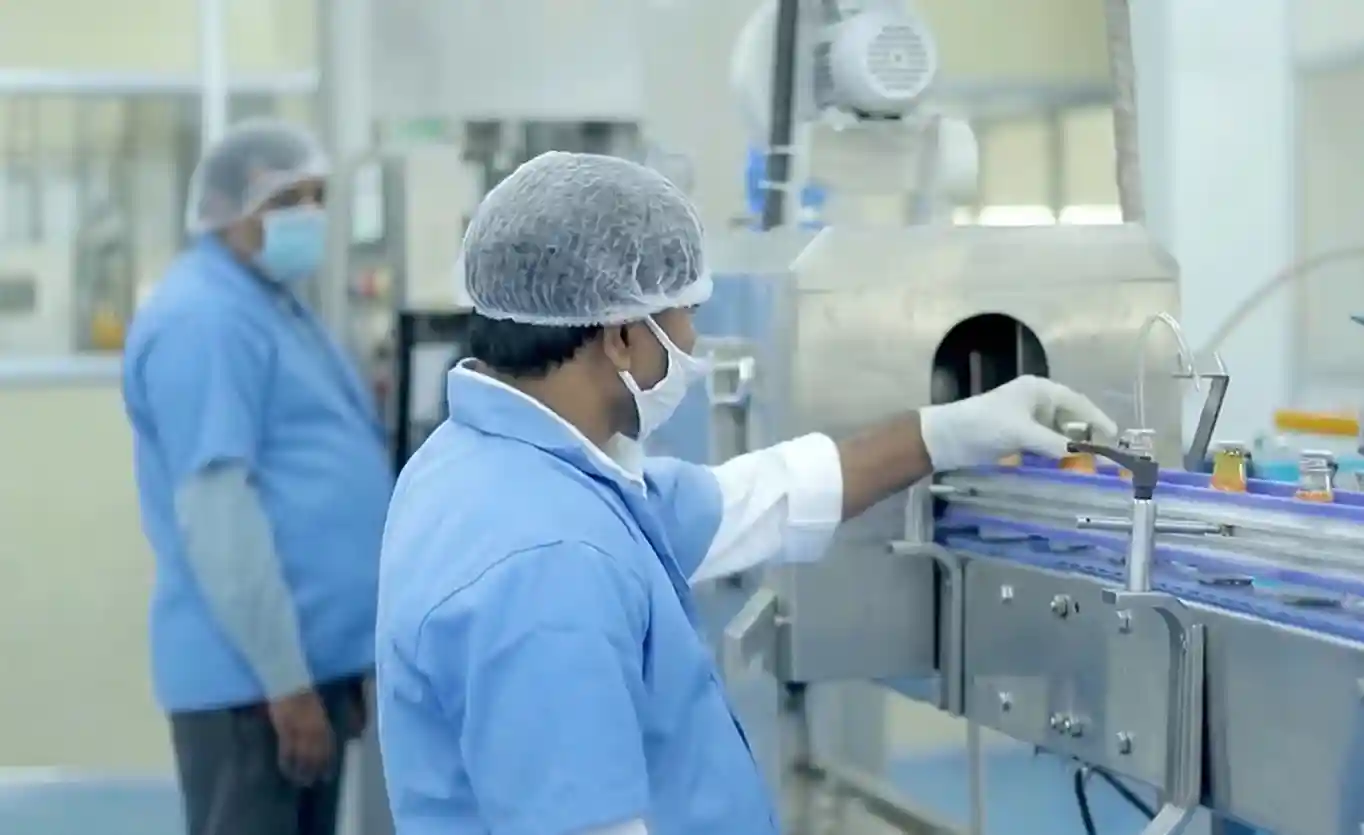
Microbial Testing
Safety testing — total plate count, yeast, mould and pathogens
Microbially Safe
Tested for total plate count, yeast, mould and pathogens. Certified safe for consumption. Every batch.
View Report →
GET YOURS You've seen the evidence. Now feel the difference. Get TumGard Snaps →