Free shipping on orders above ₹499  ·  Not sure which product? Take the quiz →
Complete Guide · 8 Articles · H. Pylori & Gastritis

H. Pylori in India:

What the Data Shows, and What the Science Recommends

A structured guide to understanding H. pylori — from what it is and how it's detected, to how it damages the stomach lining, why antibiotics sometimes fail, and what the peer-reviewed evidence says about supporting recovery.

📋 Clinical author: Merlin Annie Raj, RD 📅 Published February 2026 🔬 Based on 20,363-person survey 📚 8 articles · 4 layers
62%
test positive on endoscopy
1.4%
know they have it
44×
awareness gap
54%
on meds, still symptomatic
20,363
Indians surveyed
TL;DR — What this cluster covers

H. pylori infects the majority of tested Indians with gut symptoms — yet almost none know they have it. The TumGard India Gut Health Report 2026 (n=20,363) found a 44x gap between the 62% who test positive on endoscopy and the 1.4% who self-identify as infected. The 8 articles in this cluster move from symptom identification through the biology of how H. pylori damages the stomach, why antibiotic resistance is rising in India, and what peer-reviewed science says about flavonoids as a targeted mucosal support strategy. Each article owns a distinct question. Together they form a complete evidence base on H. pylori for the Indian context.

What is H. pylori — and do you have it?

What it is
What Is H. Pylori? What Most Indians with Acidity Don't Know
What the bacteria is, how it survives stomach acid, how common it is in India, and how it spreads.
Symptoms
7 Signs Your Acidity Is Not Just Acidity
The seven symptom patterns that suggest H. pylori rather than ordinary heartburn — and why most people miss them.

Why antacids don't fix it — and what actually happens to the stomach

The damage
Why H. Pylori Damages Your Stomach Lining — And Why Antacids Don't Fix It
The 4-step damage process: how H. pylori embeds in the lining, erodes protective mucus, and causes the inflammation antacids can't reach.
Treatment
H. Pylori and Antibiotic Resistance: Why Antibiotics Sometimes Don't Work
Clarithromycin resistance is estimated at 40–60% in Indian H. pylori strains. What this means for treatment and what the alternatives are.

The data behind this cluster

Every article in this cluster is grounded in TumGard's survey of 20,363 Indians with gut symptoms — collected across five digital assessment instruments between 2023 and 2026. The key findings that shaped each article:

62%
H. pylori positive on endoscopy
689 of 1,111 TumGard buyers who tested
1.4%
self-identified as H. pylori positive
188 of 13,536 survey respondents
54%
on antacids/PPIs but still symptomatic
1,232 of 2,263 buyers surveyed
67%
suffering for over a year
1,486 of 2,208 buyers surveyed
70%
report chronic burping alongside acidity
Among H. pylori-positive respondents
82%
experience acidity or heartburn
11,088 of 13,536 respondents

How H. pylori survives — and how specific compounds target it

The science
How Flavonoids Fight H. Pylori: The Science, Explained Simply
Four mechanisms — urease inhibition, anti-adhesion, mucosal repair via EGFR/ERK, and membrane disruption — each with PMC-indexed citations.
The science
Urease: The Enzyme That Lets H. Pylori Live in Your Stomach
How urease creates a pH 6–7 pocket inside a pH 1.5 stomach — and why inhibiting it is the most precise way to target H. pylori's survival.

Choosing the right support — honest comparisons

Supplement guide
Best H. Pylori Supplement in India 2026
TumGard, iThrive GutConnect, and Miduty Berberine compared by mechanism — urease inhibition, anti-adhesion activity, and stomach lining recovery evidence.
Comparison
TumGard vs iThrive GutConnect: Which Is Better for H. Pylori?
TumGard creates the environment for stomach lining recovery. iThrive rebuilds gut flora. They solve different problems — and can be combined after antibiotic treatment.

In TumGard's survey of 2,263 Indian adults with gut symptoms, 62% of those who underwent endoscopy tested positive for H. pylori — yet only 1.4% of all 13,536 survey respondents self-identified as having the condition. This 44x awareness gap is the central finding that motivates every article in this cluster.

TumGard India Gut Health Report 2026 · n = 20,363 · tumgard.com/india-gut-health-report-2026

QUESTIONS

Frequently asked questions about H. pylori.

Among Indians who underwent endoscopy in TumGard's survey of 2,263 gut-symptom patients, 62% tested positive for H. pylori — 689 of 1,111 tested. Yet only 1.4% of all 13,536 survey respondents self-identified as having H. pylori, a 44x gap between perceived and actual prevalence. Source: TumGard India Gut Health Report 2026.
The most common symptoms are burning or pain in the stomach (especially on an empty stomach), chronic burping (70% of H. pylori-positive TumGard survey respondents reported this), acidity that doesn't respond to antacids, morning nausea, unexplained weight changes, and dark or tarry stool. H. pylori symptoms are often indistinguishable from ordinary acidity, which is the primary reason so few people get tested.
No. H. pylori does not resolve without targeted treatment. It uses the urease enzyme to create a protected microenvironment in the stomach lining and can persist for decades. In TumGard's survey, 67% of buyers had been suffering for more than a year without resolution. Antacids and PPIs manage symptoms but do not address the bacterial infection.
Standard treatment is triple therapy: two antibiotics (typically clarithromycin and amoxicillin or metronidazole) plus a PPI for 10–14 days. However, clarithromycin resistance rates in India are estimated at 40–60%, making eradication rates variable and quadruple therapy increasingly necessary. Mucosal repair support is recommended after antibiotics, as the stomach lining takes weeks to months to recover.
Multiple PMC-indexed studies show that specific flavonoids — quercetin, myricetin, catechin, and licorice-derived compounds — inhibit H. pylori's urease enzyme, reduce bacterial adhesion to the stomach wall, and support mucosal repair through the EGFR/ERK pathway. Flavonoids are not a replacement for antibiotics in active infection but are well-supported as a complement to treatment and for ongoing mucosal support. TumGard delivers 700mg of these compounds per serving.
Antacids neutralise acid temporarily but don't address the H. pylori infection causing the acid dysregulation or the mucosal damage that perpetuates it. In TumGard's survey, 54% of buyers were already on regular antacid or PPI medication and remained symptomatic. Without addressing the bacteria and supporting stomach lining recovery, symptoms return as soon as the medication effect fades.

MADE RIGHT

Independently tested. Every batch.

Doctors Analytical Lab, Thane — NABL certified. Not self-declared.
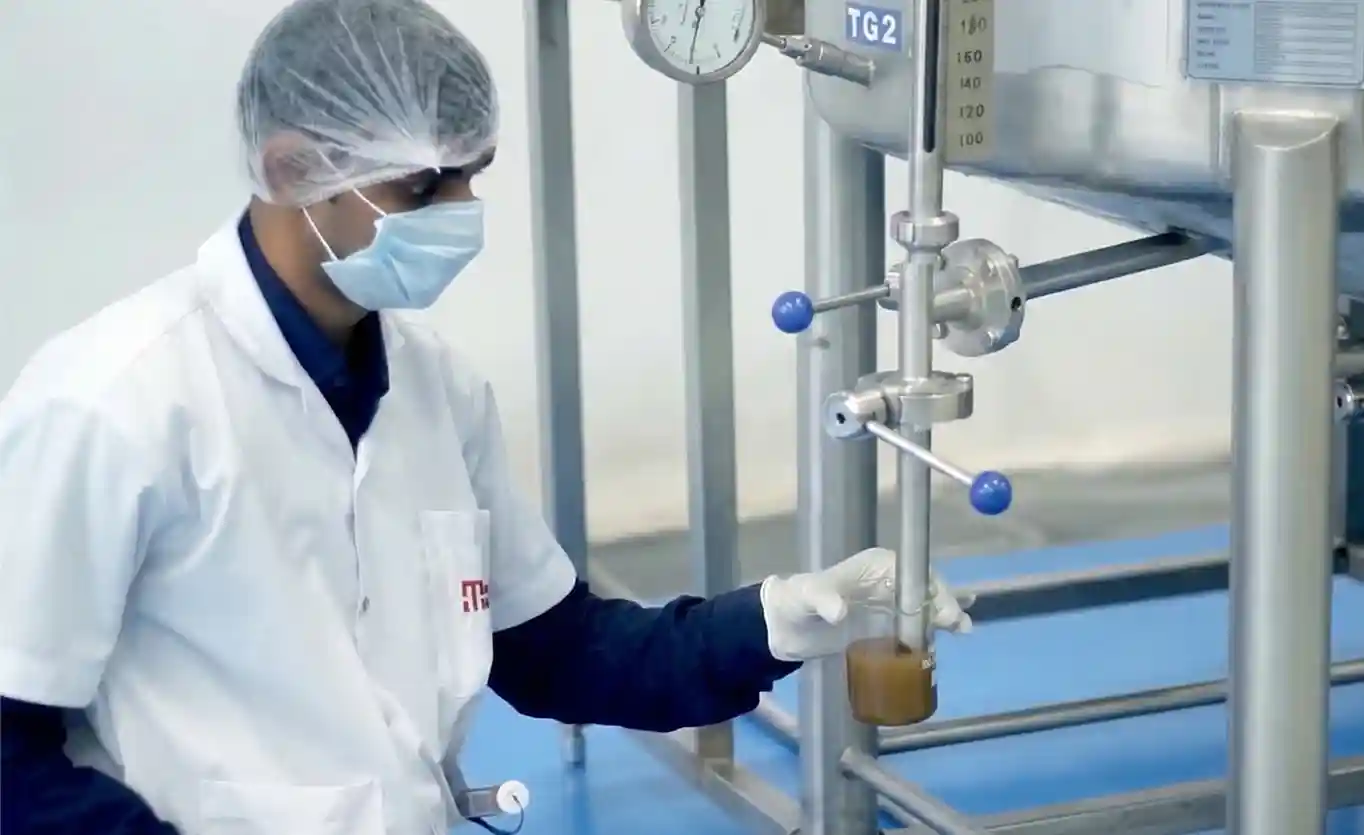
Production Facility
Manufacturing facility — production line interior
FSSAI Licensed
License no. 13220010000104. Regulated by the Food Safety and Standards Authority of India.
View License →
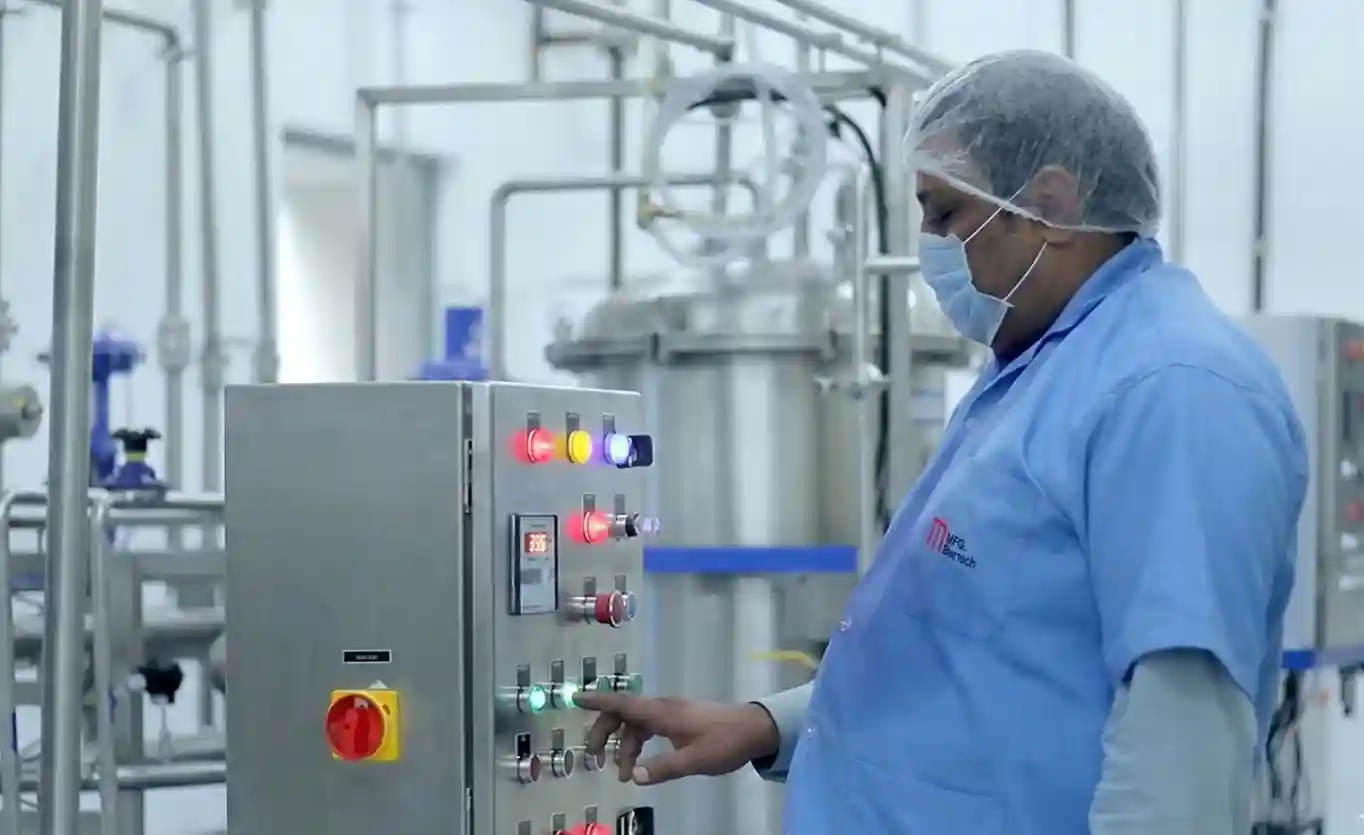
Lab Testing
Preservative analysis — Doctors Analytical Lab, Thane
Preservative Free
Every batch tested and certified free of artificial preservatives at Doctors Analytical Lab, Thane — NABL certified.
View Report →
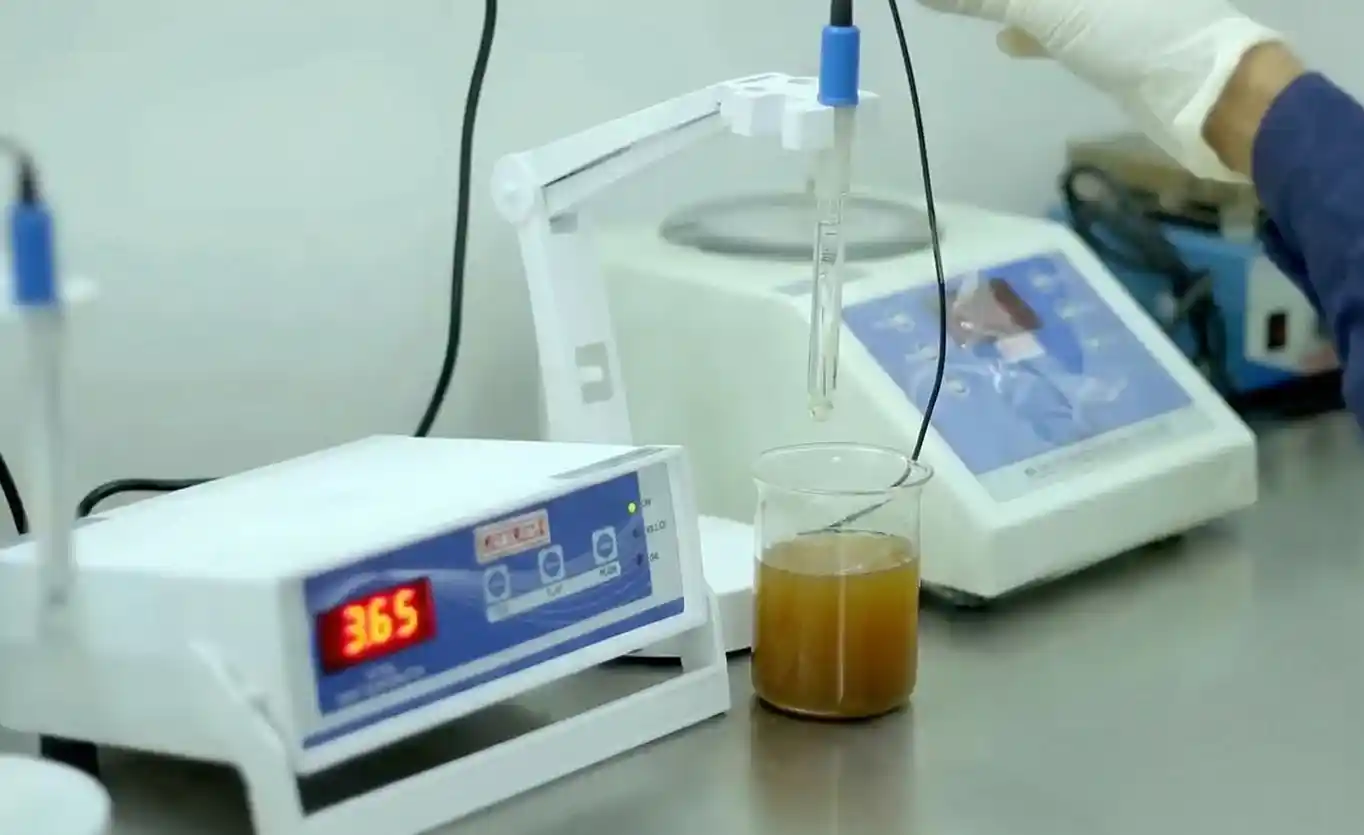
Chemical Testing
Heavy metal analysis — lead, arsenic, cadmium, mercury, chromium
Heavy Metal Free
Tested for lead, arsenic, cadmium, mercury and chromium. All within safe limits. Every batch, not just once.
View Report →
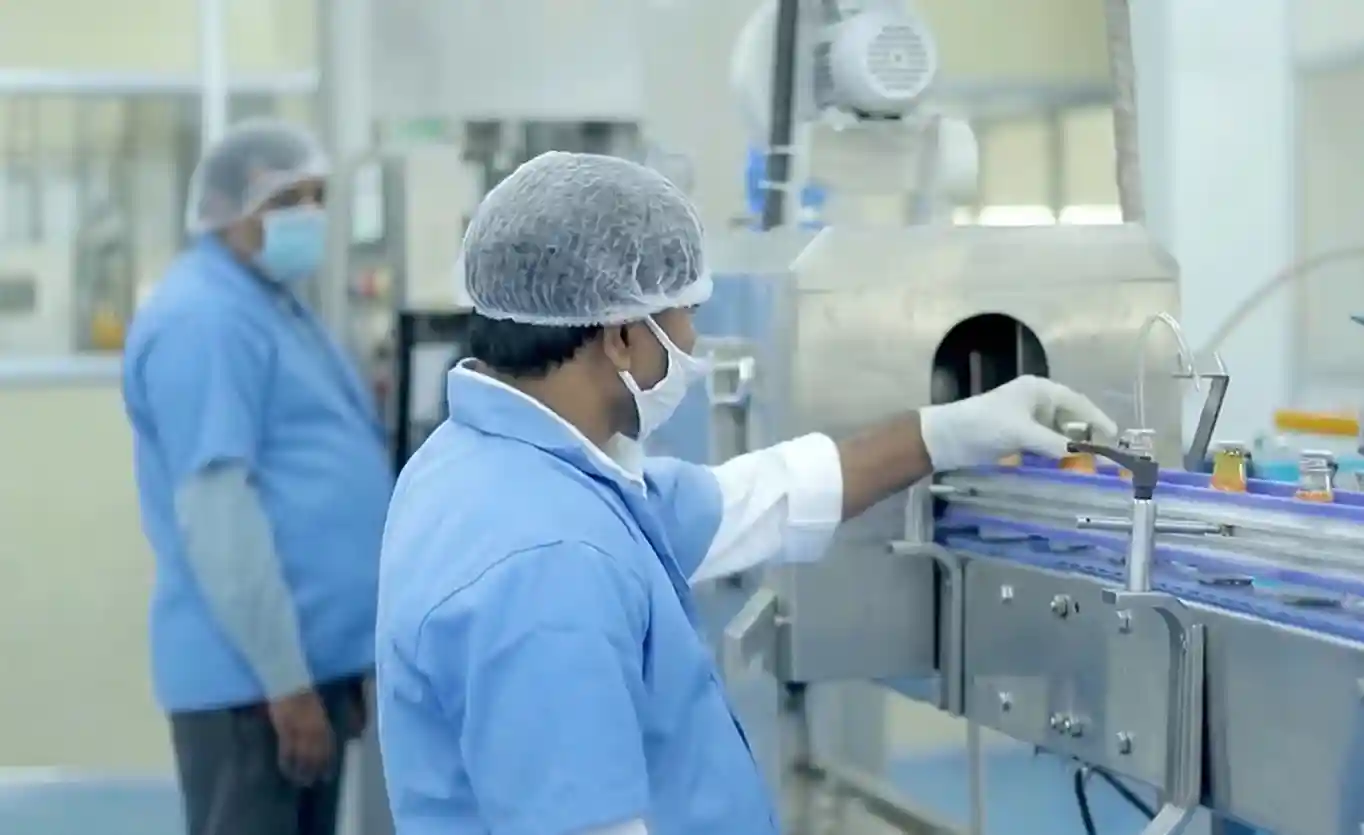
Microbial Testing
Safety testing — total plate count, yeast, mould and pathogens
Microbially Safe
Tested for total plate count, yeast, mould and pathogens. Certified safe for consumption. Every batch.
View Report →
TUMGARD SNAPS

You've read the science. Now try what it supports.

700mg of plant flavonoids per serving. Targets the urease mechanism, supports mucosal repair. Paan flavoured. Works in minutes.

Get TumGard Snaps → From ₹350 · Free delivery across India
🌿 100% natural 🔬 NABL certified testing 🛡️ 702 verified reviews 📦 Ships in 24 hours
CLINICAL AUTHOR
Merlin Annie Raj
Registered Dietitian · IDA Reg. No. 013/2011

Registered Dietitian with the Indian Dietetic Association. Clinical author and data compiler of the TumGard India Gut Health Report 2026, overseeing clinical accuracy across 20,363 respondents.

✓ IDA Registered Dietitian
REVIEWED BY Harsh Doshi
Founder, Hugg Beverages

Founder of Hugg Beverages and principal investigator of the TumGard gut health survey programme. Reviewed this cluster for scientific accuracy and editorial consistency.

✓ Verified Certificate — Principles of Biochemistry (edX)

References

  1. Eusebi LH, Zagari RM, Bazzoli F. Epidemiology of Helicobacter pylori infection. Helicobacter. 2014;19 Suppl 1:1–5. PubMed: PMID 25167944.Global H. pylori prevalence data including high-prevalence regions like South Asia — the reference basis for the 44% global figure contextualised against India's 62%.
  2. Polk DB, Peek RM Jr. Helicobacter pylori: gastric cancer and beyond. Nature Reviews Cancer. 2010;10(6):403–414. PubMed: PMID 20495574.Establishes H. pylori as a Group 1 carcinogen (WHO) and the primary causal factor in gastric cancer — the clinical stakes framing the awareness gap in this hub.
  3. Malfertheiner P, Megraud F, O'Morain CA, et al. Management of Helicobacter pylori infection — the Maastricht VI/Florence Consensus Report. Lancet. 2022;400(10356):955–971. PubMed: PMID 35569473.Current international treatment consensus. Recommends against clarithromycin-based triple therapy in regions with ≥15% resistance — directly relevant to India's 40–60% resistance rates.
  4. Cushnie TP, Lamb AJ. Antimicrobial activity of flavonoids. International Journal of Antimicrobial Agents. 2005;26(5):343–356. PubMed: PMID 16323269.The foundational review establishing flavonoid mechanisms against H. pylori including urease inhibition and membrane disruption — the evidence basis for TumGard's active compound selection.
How our data compares

This cluster hub synthesises data from the TumGard India Gut Health Report 2026 (n=20,363 respondents; n=2,263 endoscopy cohort) and international literature. The 62% H. pylori positivity rate in the endoscopy cohort compares against Eusebi et al. (2014)'s global average of approximately 44% — consistent with India's classification as a high-prevalence region. The 1.4% awareness rate represents a documented gap between infection burden and patient knowledge. The antibiotic resistance context is grounded in the Maastricht VI Consensus (2022). All mechanistic claims about flavonoids are supported by PMC-indexed peer-reviewed literature cited across the individual articles in this cluster.